

DIY Metal Engraving Tips for Creative Beginners
Metal engraving is a cool way to make plain surfaces unique, and if you're wondering how to engrave metal, you're in the right place! You can carve initials on a keychain or design jewelry. This craft helps you create something special that lasts forever! With modern tools, learning how to engrave metal is easier for beginners now.
Engraving is becoming more popular because it’s so useful. For example, the laser engraving business is growing fast. It might earn $3.5 billion in 2023 and $5.7 billion by 2032. This shows how people love engraving for its accuracy and creativity. If you want a fun hobby that mixes art and usefulness, metal engraving could be perfect for you.
Key Takeaways
- Begin with soft metals like aluminum or brass. These are simpler to engrave and boost your confidence.
- Use basic tools like an engraving pen and safety gear. Good tools make engraving easier and keep you safe.
- Practice on leftover metal before starting your real project. This lets you learn your tools and methods without worry.
- Keep your workspace clean and organized. A neat area helps you focus and stay safe while working.
- Mistakes are okay, so don’t worry about them. They help you learn and might give you new creative ideas.
Tools and Materials for Metal Engraving
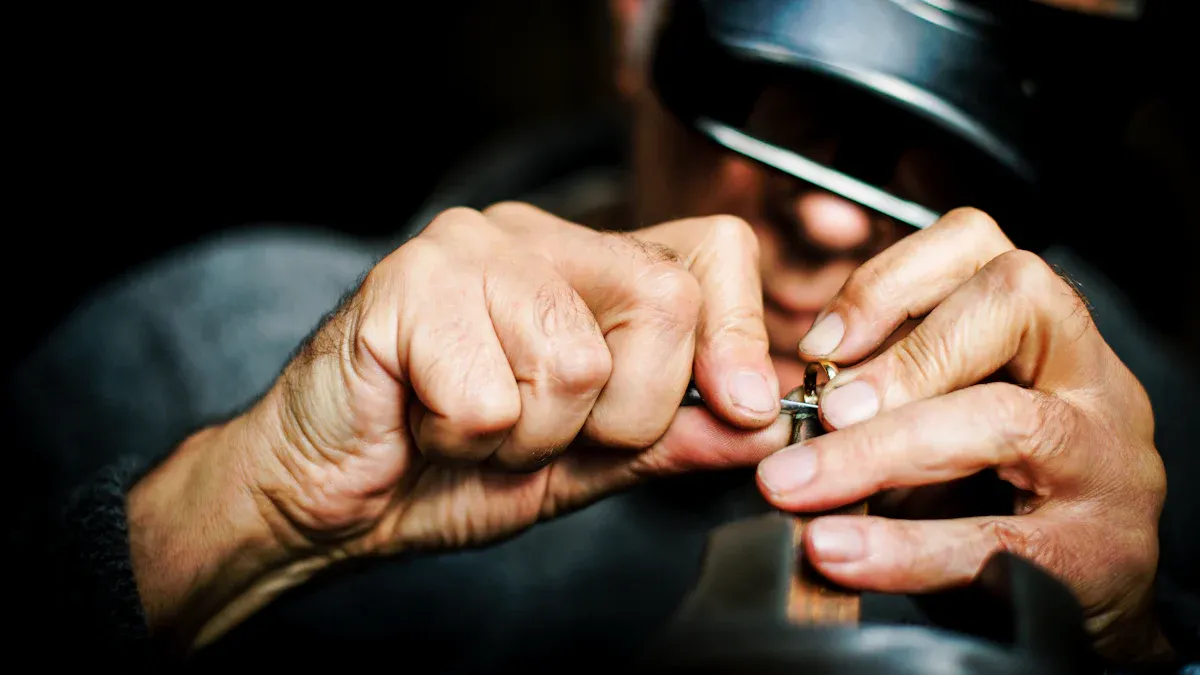
Essential Tools for Beginners
To start engraving metal, you need the right tools. You don’t need expensive gear, but a few basics help a lot.
- Engraving Pen or Tool: This is the main tool for carving. Choose one with tips you can change for different designs.
- Autofocus Feature: Some tools adjust automatically to the metal’s surface. This keeps the depth even and makes engraving easier.
- Sensors for Precision: Tools with sensors can measure the metal’s thickness. They adjust settings for more accurate designs.
- Safety Accessories: Use items like smoke filters and fire safety kits. These keep your workspace safe and clean.
Take care of your tools to keep them working well. Clean them often and check for any loose parts. If you use machines, inspect belts and rails regularly. These steps help your tools last longer and work better.
Choosing the Right Metal for Engraving
Not all metals are easy to engrave. Some are simple to use, while others need more skill.
- Soft Metals: Aluminum and brass are great for beginners. They’re easy to carve and won’t damage your tools.
- Hard Metals: Stainless steel and titanium are tougher to engrave. They look polished and are good for advanced projects.
- Precious Metals: Gold and silver are soft and great for jewelry. They allow detailed designs but need careful handling.
Think about what you want to make before picking a metal. Are you creating decorations, tools, or keepsakes? Choosing the right metal makes engraving easier and more fun.
Additional Supplies for Creative Projects
After getting tools and metal, extra supplies can improve your work.
- Stencils: These help you make neat patterns or letters. You can find stencils for flowers, shapes, and more.
- Coloring Agents: Use paints or dyes to add color to your designs. This makes your engravings stand out.
- Polishing Kits: Polish your metal after engraving for a shiny finish. This step makes your project look professional.
Here’s a simple table comparing engraving methods to help you choose:
| Engraving Method | Description | Advantages |
|---|---|---|
| Traditional Hand Engraving | Great for custom jewelry and special items. | Adds a personal and artistic touch. |
| Laser Engraving | Best for detailed patterns on jewelry or decorations. | Offers precision and flexibility. |
| Mechanical Engraving | Uses machines to carve designs into metal. | Combines skill with modern tools. |
| Chemical Etching | Uses chemicals to create detailed designs. | Perfect for fine and intricate work. |
With these tools and supplies, you can start engraving metal. Create amazing designs that show off your creativity!
Preparing for Your First Metal Engraving Project
Setting Up a Safe and Organized Workspace
Before engraving, make sure your workspace is ready. A safe, tidy area helps you work better and stay focused. Follow these tips to set up your space:
- Pick a Good Spot: Choose a quiet place with fresh air. Stay away from noisy or crowded areas.
- Get a Reliable Laser Engraver: Use a machine that works with many metals and designs.
- Use a Strong Table: A sturdy table keeps tools steady and avoids scratches.
- Add Ventilation: Install a fan or fume extractor to keep the air clean.
- Organize Your Tools: Store supplies neatly on shelves or in drawers. This saves time.
- Think About Comfort: Adjust your chair and table height for long hours of work.
- Keep It Clean: Use a vacuum to remove dust and debris. A clean area helps you focus.
These steps will give you a workspace that’s safe and ready for creative projects.
Transferring Designs onto Metal
Putting your design on metal is an exciting part of the process. It’s when your ideas start to take shape. There are different ways to transfer designs, depending on your tools.
For beginners, stencils are super helpful. They let you trace patterns or letters onto the metal easily. If you’re using dies, here’s a quick guide to what they do:
| Die Type | What It Does | Why It’s Useful |
|---|---|---|
| Embossing dies | Makes raised or lowered designs on metal. | Adds decorative details. |
| Blanking dies | Cuts flat shapes from metal sheets. | Creates clean edges and reduces extra finishing work. |
| Forming dies | Shapes metal into complex forms. | Perfect for detailed designs that need strength. |
| Bending dies | Bends metal along a specific line. | Great for making sharp angles or smooth curves. |
To engrave with precision, start by sketching your design on paper. Then, use tracing paper or sticky stencils to transfer it onto the metal. This keeps your design neat and easy to follow.
Practicing on Scrap Metal
Before starting your main project, practice on scrap metal. This helps you get used to your tools and techniques.
Begin with soft metals like aluminum or brass. These are easier to work with and won’t damage your tools. Try simple designs like straight lines or basic shapes. Focus on controlling how deep and hard you press with your tool.
Mistakes are normal, so don’t stress if it’s not perfect at first. Scrap metal is great for experimenting without worrying about ruining your final piece. As you practice, you’ll get better and feel more confident.
Practicing on scrap metal is a smart way to prepare. It helps you learn how to engrave metal while improving your skills step by step.
How to Engrave Metal: Basic Techniques
Step-by-Step Guide to Simple Engraving Methods
Learning to engrave metal starts with easy steps. Follow these directions to make your first design:
- Clean the Metal Surface: Wash the metal to remove dirt or grease. A clean surface makes your engraving look neat and clear.
- Hold the Metal Firmly: Use clamps or a vise to keep the metal still. This stops it from moving and keeps your design accurate.
- Pick the Right Tool Tip: Choose a fine tip for small details. Use a wide tip for bold designs.
- Begin with Gentle Pressure: Lightly trace your design on the metal first. This helps you learn the tool and avoid mistakes.
- Carve Deeper Gradually: Press harder slowly to make deeper lines. Work carefully to keep the depth even.
- Shine Your Design: Polish the metal after engraving to make it bright. This step makes your design stand out.
Take your time and enjoy each step. Every part helps you improve and brings your idea to life.
Tips for Holding and Using Engraving Tools
How you hold your tool affects your engraving. Good technique makes your work better and keeps your hands comfortable. Try these tips:
- Rest Your Arm: Place your arm on a steady surface for control. This stops shaky lines and helps you focus.
- Keep Your Wrist Straight: Don’t bend your wrist while working. A straight wrist avoids pain and keeps you comfortable.
- Use an Arm Rest: An arm rest lets you change positions easily. It reduces stress and helps during long projects.
- Move Often: Change your hand and arm position regularly. This prevents strain and improves your engraving skills.
Studies show that moving your arm often reduces tiredness. Keeping your wrist straight and arm supported makes engraving easier and more fun.
Practicing Precision and Control
Being precise is important when engraving metal. Practice often to get better control and improve your skills. Here’s how to start:
- Try Simple Shapes: Practice making straight lines, circles, and easy patterns. These exercises help you control your movements.
- Work on Depth: Test different pressures to make shallow or deep lines. Even depths make your designs look great.
- Use Scrap Metal: Practice on leftover metal before starting your main project. Mistakes on scrap metal don’t ruin your final piece.
- Challenge Yourself: Try harder designs as you get better. Push yourself to learn new techniques and styles.
Precision takes time, but practice makes you better. Each session helps you master metal engraving step by step.
Adding Creative Flair to Your Metal Engraving
Using Stencils for Unique Patterns
Stencils are a great tool for detailed designs. They’re perfect if drawing freehand feels tricky. You can find stencils with flowers, shapes, or cool patterns.
To use one, tape it firmly onto your metal piece. This stops it from moving while you work. Trace the design gently with your engraving tool. After outlining, take off the stencil and deepen the lines.
Pro Tip: Make custom stencils with thin plastic or cardstock. This adds a personal touch to your designs!
Stencils help beginners create neat, professional-looking engravings easily.
Experimenting with Textures and Depth
Textures and depth make your engraving more interesting. Try new methods to add variety to your designs.
- Cross-Hatching: Draw crisscross lines for shading or texture.
- Dot Patterns: Make dotted designs with small, spaced dots.
- Layered Depth: Press harder or softer for deeper or lighter lines.
Practice these on scrap metal first to see how they look. Mix textures to make your designs stand out.
Note: Textured engravings reflect light differently, making them eye-catching.
Enhancing Designs with Color
Adding color makes your engraving more vibrant. Paints, inks, or patinas can bring your designs to life.
- Acrylic Paints: Use small brushes to add bright colors.
- Metallic Inks: Give your design a shiny, polished finish.
- Oxidizing Agents: Create an antique or aged look on your metal.
Protect your colors with a clear coat to keep them fresh.
🎨 Creative Idea: Blend colors for a gradient effect. It’s a fun way to make your engraving unique!
Adding color turns your project into a personal and artistic masterpiece.
Safety Tips and Avoiding Mistakes
Essential Safety Precautions
Staying safe is important when engraving metal. Protect yourself and your workspace with these tips:
- Wear Protective Gear: Put on safety goggles to keep metal bits out of your eyes. Gloves can protect your hands, but make sure they don’t mess up your grip.
- Ventilate Your Workspace: Engraving can create dust or fumes. Use a fan or fume extractor to keep the air fresh and safe.
- Secure Your Metal: Clamp the metal tightly so it doesn’t move. Loose pieces can cause accidents or mess up your design.
- Check Your Tools: Look over your tools before starting. Make sure nothing is loose or worn out.
Safety Tip: If you’re using tools that create heat, like laser engravers, keep a fire extinguisher nearby. It’s always good to be ready!
Common Beginner Errors and How to Avoid Them
Making mistakes is normal when you’re learning. Knowing what to avoid can save time and effort.
- Pressing Too Hard: Pushing too hard can harm the metal or tool. Start gently and press harder slowly.
- Skipping Practice: Jumping into your main project without practicing can lead to messy designs. Always try on scrap metal first.
- Ignoring Workspace Setup: A messy area can cause accidents. Keep your tools tidy and your space clean.
- Choosing the Wrong Metal: Hard metals like titanium are tough for beginners. Start with softer metals like aluminum or brass.
Pro Tip: If your lines are shaky, slow down. Rushing makes mistakes more likely.
Fixing Mistakes and Improving Your Technique
Mistakes don’t ruin your project. You can fix them and learn from them.
- Shallow Lines: If your lines are too light, go over them again with steady pressure.
- Uneven Depth: Use a polishing tool to even out the design. This makes it look smoother.
- Scratches or Slips: Sand small scratches gently to remove them. For bigger slips, turn them into part of your design.
🎨 Creative Idea: Use accidental marks to create new textures or patterns. Mistakes can inspire creativity!
Getting better takes practice. Work on control and precision, and don’t be afraid to try new things. Every project helps you improve as an engraver.
Starting your metal engraving journey is easier than you think. You’ve learned about tools, workspace setup, practicing techniques, and adding creative flair. These steps give you everything you need to dive into your first project.
Tip: Begin with soft metals like aluminum or brass. They’re beginner-friendly and help you build confidence.
Don’t overthink it—just start! Your first design doesn’t have to be perfect. Every project teaches you something new. With practice, your skills will grow, and your creativity will shine. So grab your tools and let your imagination lead the way!
FAQ
1. What’s the best metal for beginners to engrave?
Soft metals like aluminum and brass are ideal for beginners. They’re easy to carve and won’t wear out your tools. Start with these to build confidence before trying harder metals like stainless steel.
Tip: Aluminum is lightweight and affordable, making it perfect for practice projects.
2. Can I engrave metal without expensive tools?
Yes, you can! Affordable engraving pens or handheld tools work great for beginners. You don’t need fancy machines to start. Focus on learning basic techniques first.
🎨 Creative Idea: Use stencils to create detailed designs with simple tools.
3. How do I fix mistakes in my engraving?
Mistakes happen, but you can fix them. Sand scratches gently or polish uneven lines to smooth them out. If a slip ruins your design, turn it into a new pattern or texture.
Pro Tip: Practice on scrap metal to avoid big mistakes on your main project.
4. Is metal engraving safe for beginners?
It’s safe if you follow precautions. Wear goggles, secure your metal, and ventilate your workspace. Check your tools for damage before starting.
Safety Tip: Keep a fire extinguisher nearby if you’re using heat-based tools like laser engravers.
5. How long does it take to get good at engraving?
It depends on how often you practice. Start with simple designs and soft metals to build your skills. With regular practice, you’ll see improvement in just a few weeks.
Encouragement: Don’t rush. Every project helps you learn and grow as an engraver.